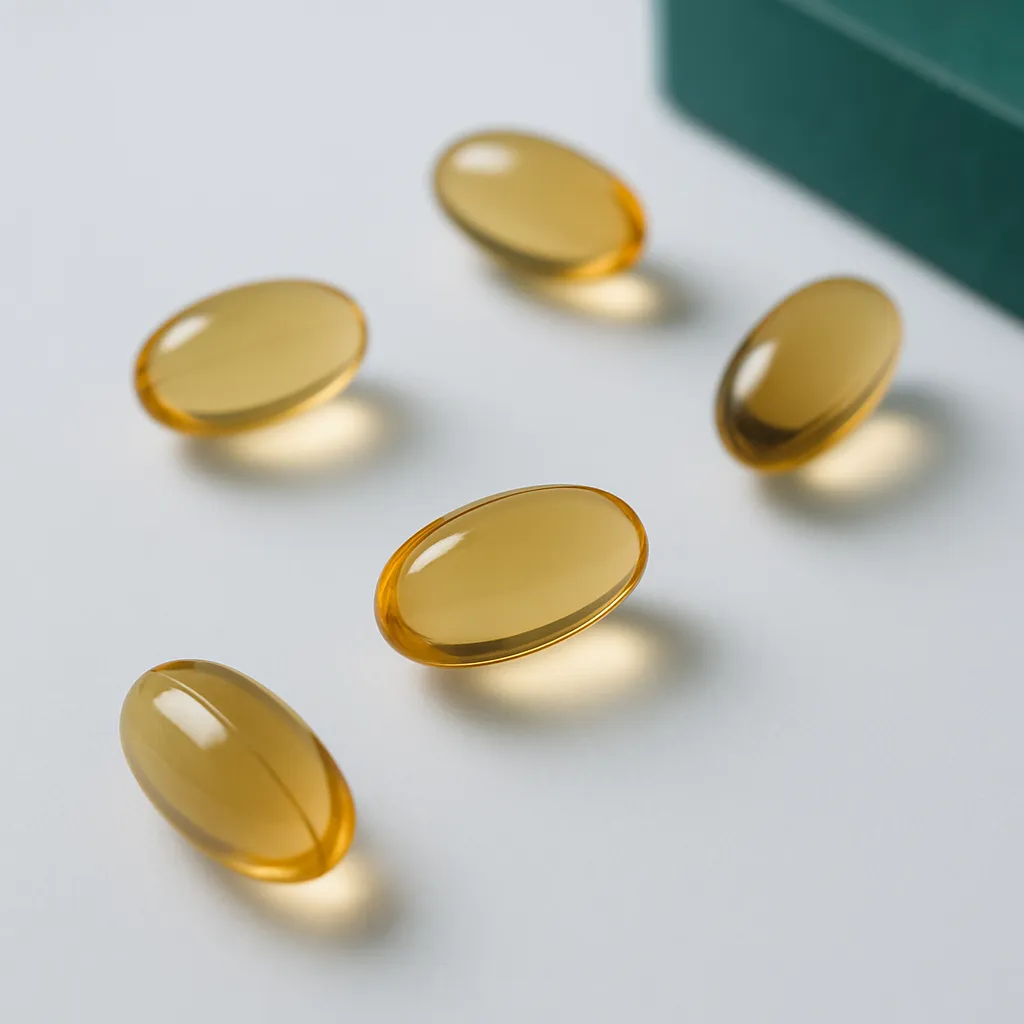
Nordic Naturals Ultimate Omega
Provides 1280mg omega-3s (650mg EPA, 450mg DHA) per 2-softgel serving in absorbable triglyceride form. Evidence for cardiovascular benefit is mixed: primary-prevention trials (VITAL) showed no major-event reduction, while high-dose EPA (REDUCE-IT) and meta-analyses suggest dose-dependent benefit. Not medical advice.
Rate this pick
Our own community ratings — from confirmed Amazonia readers, never Amazon. Yours helps the next person decide, and steers what we feature next.
What the research says
-
“Supplementation with n-3 fatty acids did not result in a lower incidence of major cardiovascular events or cancer than placebo.”
In VITAL (25,871 adults), 1 g/day marine omega-3 did NOT reduce major cardiovascular events vs placebo, though secondary analyses suggested fewer heart attacks, especially in low-fish-eaters.
Manson JE et al., New England Journal of Medicine (VITAL) · 2019 ↗ -
“icosapent ethyl reduced total primary endpoint events (61 vs. 89 per 1,000 patient-years for icosapent ethyl versus placebo, respectively; rate ratio: 0.70; 95% confidence interval: 0.62 to 0.78; p < 0.0001)”
In REDUCE-IT, high-dose prescription EPA (4 g/day) reduced ischemic events in statin-treated patients with high triglycerides, but raised atrial-fibrillation and bleeding risk — a far higher, purified dose than any OTC fish oil.
REDUCE-IT total-events analysis, JACC · 2019 ↗ -
“Risk reductions appeared to be linearly related to marine omega‐3 dose.”
Meta-analysis of 13 RCTs (127,477 participants) found marine omega-3 associated with modestly lower risk of myocardial infarction and CHD death (not stroke), with benefit appearing dose-dependent.
Hu Y, Manson JE et al., J. Am. Heart Assoc. · 2019 ↗
Educational summary of the research — not medical or veterinary advice. Evidence strength varies and individual results differ; talk to a qualified professional before changing your (or your pet's) health routine.
How it compares
| Fish oil (EPA/DHA) | Algae omega-3 | Krill oil | |
|---|---|---|---|
| Source | Wild-caught fish | Cultivated algae (vegan) | Antarctic krill |
| Provides EPA + DHA | Yes, both, high dose | Yes (often DHA-dominant) | Yes, lower per capsule |
| Dose to hit ~1000mg+ EPA+DHA | 1-2 softgels | 1-2 softgels | Several capsules |
| Notes | rTG aids absorption | Best vegan option, pricier | Phospholipid form, lower potency |
Buy it if
- People who eat little fatty fish and want to raise EPA/DHA intake
- Buyers who prioritize absorbable triglyceride form and traceable sourcing
- Those wanting a high dose per serving without taking many capsules
- Higher-risk individuals advised by a clinician to supplement
Skip it if
- People who already eat 2+ servings of fatty fish weekly
- Anyone expecting it to prevent or treat heart disease
- Vegans/vegetarians (choose an algae-based omega-3)
The verdict
A well-formulated, transparently sourced, high-potency triglyceride-form fish oil — among the better OTC options. But buy it for honest reasons: omega-3 cardiovascular evidence is mixed, with no proven major-event reduction in general-population supplementation. Dietary support, not disease prevention. Not medical advice.
Check price on Amazon Live price & reviews on AmazonQuestions, answered
- Is the triglyceride form actually better?
- Studies suggest triglyceride/rTG omega-3s absorb somewhat better than the ethyl-ester form in many low-cost supplements. It's a real formulation advantage, though it matters more for absorption efficiency than any specific outcome. Source Dyerberg et al. 2010, bioavailability (PLEFA) ↗
- Will this prevent heart disease?
- No supplement should be sold on that promise. Evidence is genuinely mixed: general-population trials (VITAL) found no reduction in major events, while high-dose prescription EPA (REDUCE-IT) helped specific higher-risk groups. Treat it as dietary support. Talk to your doctor. Source Manson et al., NEJM (VITAL) ↗REDUCE-IT total-events analysis, JACC ↗
- How does the dose compare to research?
- At 1280mg total omega-3 per serving it exceeds the ~840mg-1g/day used in VITAL, but is far below the 4g/day purified EPA in REDUCE-IT. Meta-analysis data suggest benefit may be dose-dependent above ~840mg/day. Source Manson et al., NEJM (VITAL) ↗Hu/Manson et al., J. Am. Heart Assoc. ↗